
Speleological Frameworks for Structured and Responsible Strategy
Cave mapping and expedition planning require methodical approaches that balance ambition with realistic resource assessment. Speleological frameworks provide tested structures for breaking complex goals into manageable components, identifying critical decision points, and adjusting strategies as conditions change. These systematic methods translate effectively to any field requiring careful planning under uncertainty, from business strategy to personal project management. The discipline of documenting assumptions, measuring progress objectively, and learning from setbacks creates more robust decision-making across all contexts.
Mapping Discipline as Strategy Foundation
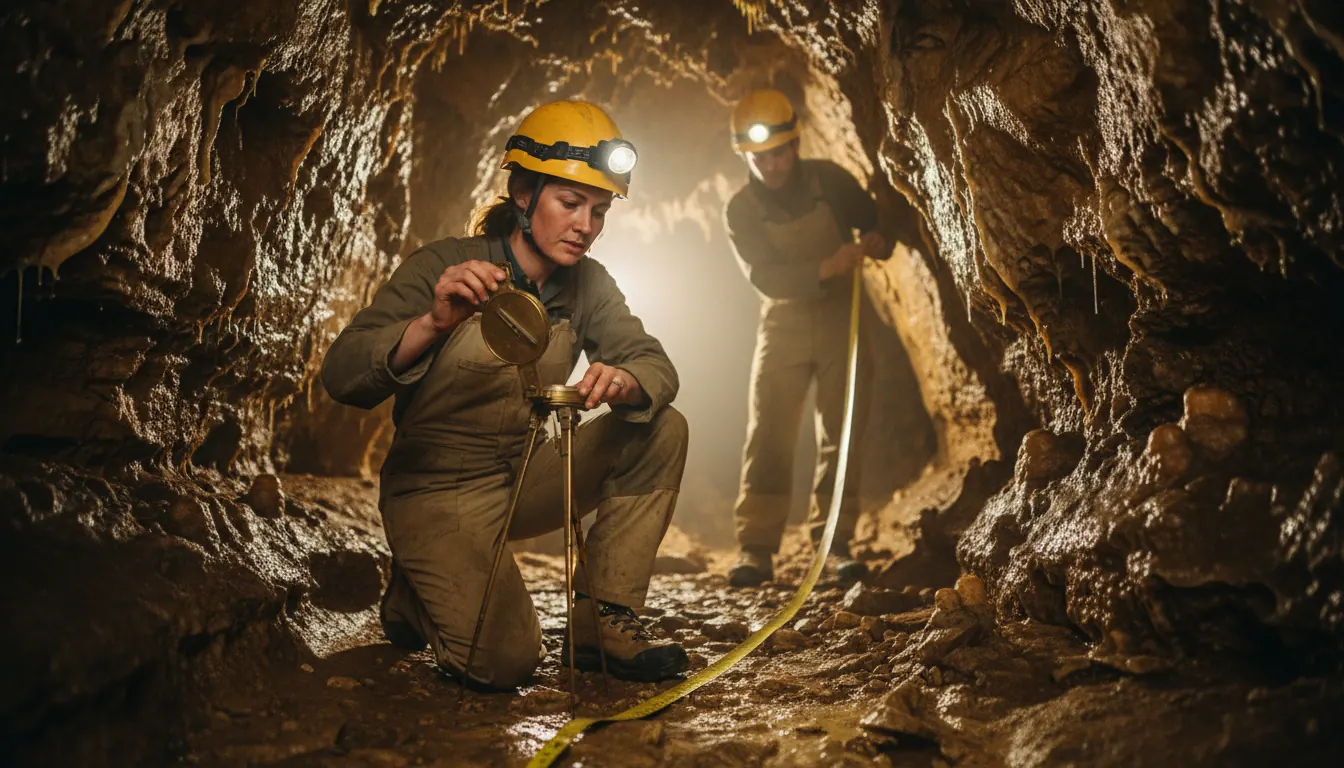
Cave surveyors follow rigorous protocols that ensure accuracy while accommodating the chaos of underground environments. Each measurement gets recorded immediately, cross-checked by a second observer, and integrated into existing data before proceeding. This incremental validation process prevents compounding errors that could render entire surveys worthless. Strategic planners in other fields adopt similar checkpoint systems, where small decisions undergo scrutiny before committing to larger initiatives built upon them.
- Station-by-station validation ensures no single error invalidates entire survey sequences
- Redundant measurement systems provide backup data when primary instruments fail unexpectedly
- Probability calculations help teams estimate completion times accounting for unknown passage complexity
- Documentation standards create consistent records enabling pattern recognition across multiple expeditions
Decision Framework Comparison
Different strategic approaches yield varying success rates in exploration contexts:
| Strategy Type | Core Methodology | Best Application |
|---|---|---|
| Linear Sequential | Complete each phase before advancing | Well-understood cave systems |
| Adaptive Iterative | Adjust based on discovered conditions | Unexplored territory with unknowns |
| Probabilistic Planning | Prepare contingencies for likely scenarios | Weather-dependent expeditions |
| Resource-Constrained | Optimize given fixed time and supplies | Remote locations with limited access |
"The most successful expeditions combine disciplined methodology with flexible thinking. Rigid adherence to plans kills adaptability, while chaotic improvisation wastes resources and endangers teams."
Strategic Thinking Beyond Caves
The frameworks developed for cave exploration inform decision-making in surprisingly diverse contexts. Business strategists recognize parallels between expedition planning and product launches, where unknown market conditions require adaptive approaches with clear fallback positions. Financial planners apply similar probability-weighted scenario analysis to retirement planning and investment allocation. Some training programs even incorporate casino game mechanics as practice environments for probability assessment and bankroll management principles that mirror resource allocation challenges in multi-day expeditions. The transferable skill lies not in any specific domain but in the habit of systematic analysis combined with honest acknowledgment of uncertainty.