Locate a Grotto Caving Club in Your Area
The main association for cave exploration and research in the US is the National Speleological Society. This nonprofit organization, which was established in 1941, unites thousands of cavers with a common interest in subterranean settings. The organization promotes the preservation of delicate subterranean ecosystems while upholding standards for safe exploration.
Comprehending the Network of the National Speleological Society
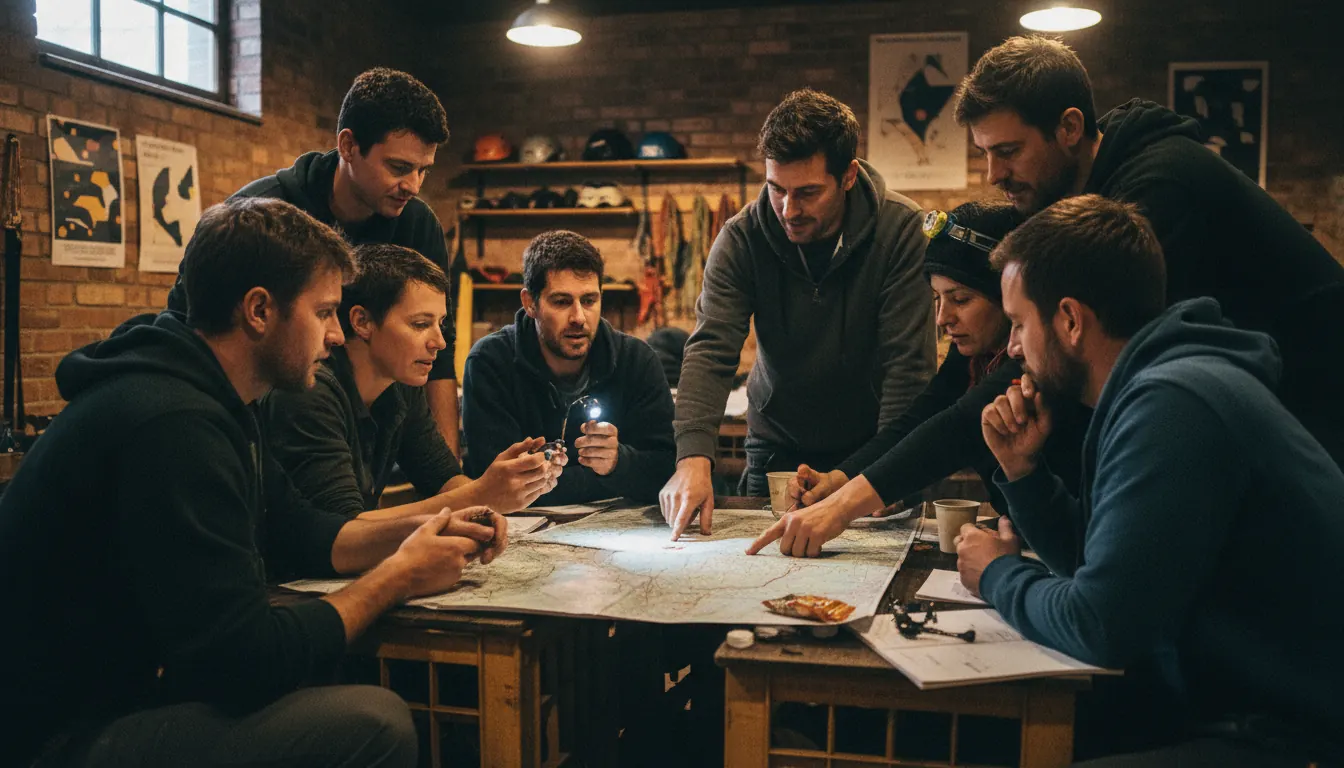
The National Speleological Society: What is it?
The main association for cave exploration and research in the US is the National Speleological Society. This nonprofit organization, which was established in 1941, unites thousands of cavers with a common interest in subterranean settings. The organization promotes the preservation of delicate subterranean ecosystems while upholding standards for safe exploration.
The core of NSS activities are regional chapters called grottos. These local clubs get together on a regular basis to teach new members, exchange findings, and arrange trips. In addition to offering local community support and access to national resources, this structure enables the speleological organization to uphold uniform safety procedures throughout a variety of geographic locations.
The Function of Local Grottos in the NSS Framework
Local grottos operate as separate chapters with their own agendas and leaders. To plan future cave excursions and talk about new discoveries, the majority get together once a month. Officers plan training sessions, keep equipment libraries up to date, and oversee trip logistics. Grottos frequently use certain caves or areas for continuous mapping and exploring initiatives.
Social media groups, email lists, and specialized websites are used for communication. Relationships with landowners that provide access to privately owned caverns are maintained by many grottos. When looking for a local group that fits your interests, this network is quite helpful.
Advantages of Becoming a Part of a Well-Organized Caving Community
Access to decades' worth of information is made possible by membership in a caving grotto. Expert cavers provide rope skills, navigation knowledge, and cave conservation principles. By using redundant safety precautions, group travel lowers hazards, and when clubs maintain shared equipment, equipment prices go down.
Additionally, grottos make it easier to enter caverns that are off-limits to unaffiliated tourists. Established organizations with a track record of ethical exploration are trusted by landowners. Organized survey initiatives that record previously undiscovered crossings enable scientific contributions.
Locating Your Local Caving Spot
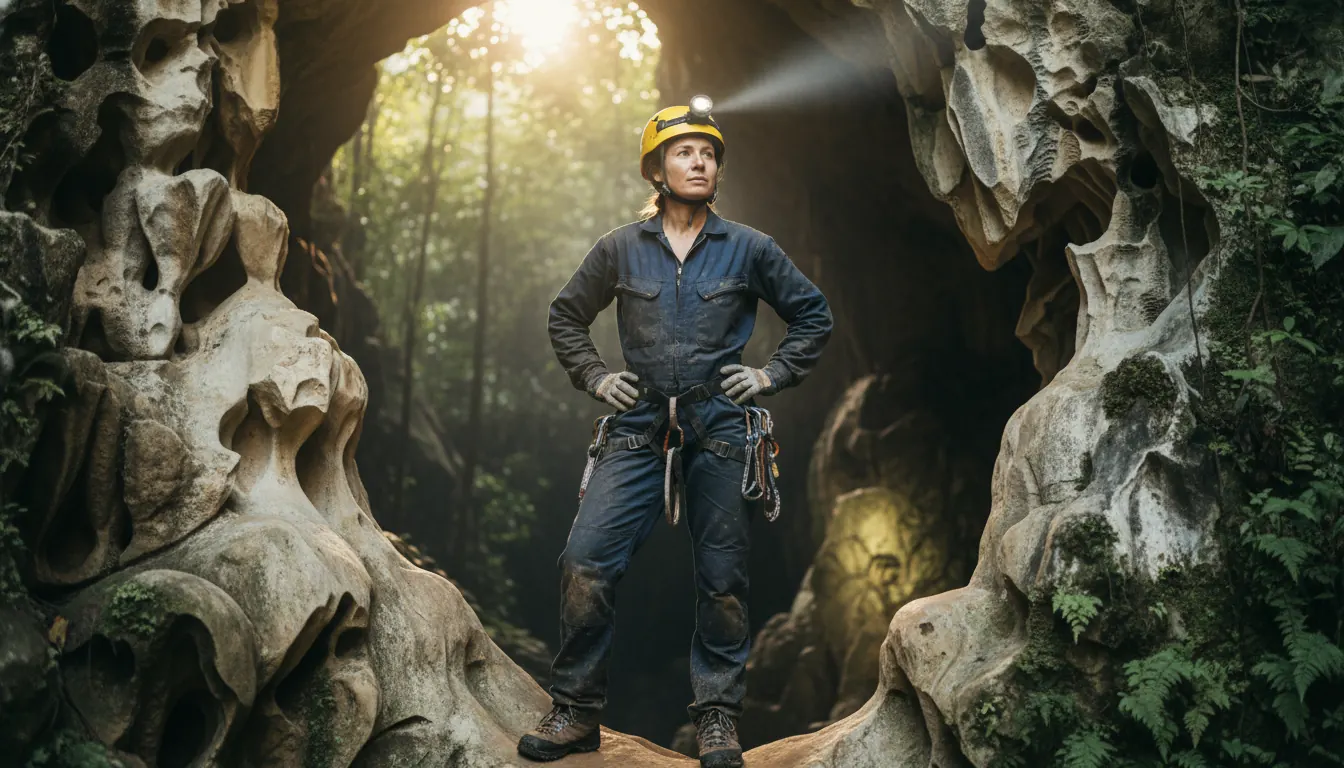
List of Current Grottos by State and Area
| State/Region | Grotto Name | Meeting Schedule | Contact Method |
|---|---|---|---|
| Northeast | Boston Grotto | First Wednesday monthly | Email coordinator through NSS directory |
| Southeast | Chattanooga Grotto | Second Tuesday monthly | Online contact form via website |
| Midwest | Chicago Grotto | Third Thursday monthly | Social media group message |
| Southwest | Austin Grotto | Fourth Saturday monthly | Attend public meeting at library |
| West Coast | Cascade Grotto | Second Friday monthly | Phone contact listed in database |
| Mountain States | Front Range Grotto | First Saturday monthly | Email list subscription available |
A sampling of active caving grottos in the main areas is shown in this table. With substantial cave systems in every state, the real NSS network consists of more than 200 grottos. Every grotto preserves its unique personality, reflecting the kinds of caves found in the area and the interests of its members. While some specialize in horizontal surveys, others concentrate on vertical caverns that need for rope labor. Locating grottos in your region is the first step in locating a local caving group.
How to Look for Local Clubs on the NSS Database
All recognized grottos are included in an online database maintained by the NSS and accessed at nssio.org. Filtering by state, proximity to large cities, or particular caving interests is possible with search features. Links to group websites and the grotto officers' contact details are included in every entry. Before imposing membership obligations, some grottos greet guests at regular gatherings.
Trip difficulty levels and meeting places are entered into the database. Examining recent trip reports aids in determining the level of exploratory concentration and group activities.
Prerequisites for First Contact and Membership
Before submitting an application for membership, the majority of grottos ask prospective members to attend a meeting as guests. The average yearly membership fee is between $20 and $50. A criterion for certain clubs is NSS national membership, which costs around $40 annually and includes a subscription to NSS News.
Orientation classes addressing fundamental cave safety and conservation concepts are frequently completed by new members. Access to some advanced journeys may be restricted by Grottos until participants exhibit the necessary abilities.
Introduction to Speleological Groups
Programs for Safety Orientation and Beginner Training
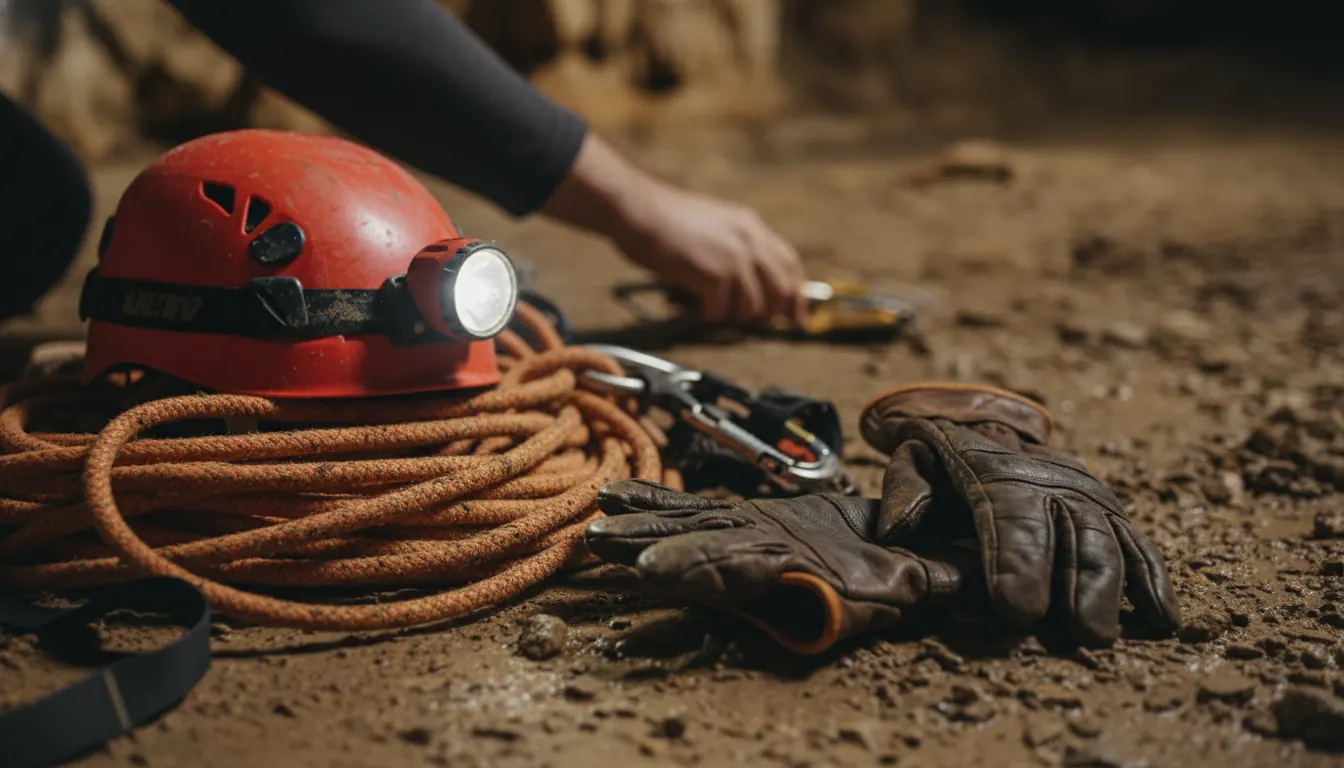
Basic cave navigation, appropriate gear selection, and the usage of helmets and headlamps are usually included in entry-level training. To provide redundancy, instructors stress that each person should have three light sources. Grottos emphasize the value of travel preparation, which includes informing someone of your intended visit and anticipated return time. Explanations of how human interaction harms fragile mineral deposits are given particular attention to cave formations.
Never explore by yourself, and stay in visual or audio contact with your group as part of safety procedures. Cavers gain awareness of possible dangers such as deep pits, unstable rocks, and perhaps flooded passageways.
Required Gear and Setup for Initial Cave Visits
- Three separate light sources—two backup lamps in case one fails, and a primary headlamp with new batteries—ensure that you can still see. With its extended battery life and dependable performance in wet situations, LED technology has completely changed cave illumination.
- Since cotton becomes hazardous once it gets wet, appropriate clothing is made up of layers of wool or synthetic materials that stay warm. Many cavers use old work clothing or coveralls, which they can throw away if they get damaged. On uneven cave floors, sturdy boots with enough ankle support help to prevent injury.
- A helmet made especially for caving shields the head from falling boulders and low ceilings. This is a good use for climbing helmets, which also include light attachment points. Investing in high-quality head protection pays off in the event of an unplanned collision with an overhead obstruction.
- When handling rope and crawling through harsh areas, leather gloves protect the skin on the hands. For dexterity-demanding jobs, some cavers use fingerless designs. Additionally, gloves offer insulation in chilly subterranean settings where year-round temperatures are consistent.
- Each caver carries basic emergency supplies such as water, high-energy food, an emergency whistle, and a small first aid kit. If someone is immobile due to an injury or tiredness, space blankets can offer vital warmth despite their little weight. Technical rescue equipment and extra rope are frequently carried by more seasoned personnel.
Locate Local Gaming Communities and Casino Clubs

Casino Clubs as Alternatives to Social Gatherings
Adults looking for entertainment and community ties might find venues at social groups focused on casinos. These groups prioritize social connection over gambling revenues, which sets them apart from commercial gaming establishments. Members get together on a regular basis to play games like blackjack, poker, and others in safe settings that encourage responsible engagement.
Combining strategic thinking with social participation is what makes it appealing. In order to keep the emphasis on enjoyment rather than financial danger, several casino clubs set rules restricting stakes. Those who are interested in gaming as a pastime are drawn to this methodical approach.
Locating a Speleological Community Close to a Casino Club
- Recreational clubs, especially casino gaming groups, are commonly found in urban locations with active caving grottos. Listings from the local recreation department and community bulletin boards show overlapping membership options. Social spaces close to both kinds of clubs serve as ideal gathering places for a variety of interest groups.
- Both caving grottos and casino club choices may be found online by combining search keywords such as "find a local club" with the name of your city. Meeting times and locations are included in directories of registered nonprofit groups that are kept up to date by many localities. Finding locations that are conveniently close to one another is made easier by cross-referencing these resources.
- Speleological organizations and strategic gaming societies are among the many specialist clubs that are frequently supported by university cities. Information tables are kept up to date by various groups at campus activity centers and student unions. It is possible to compare several social options in one place by going to open houses for different clubs.
- Vendors of caving equipment and game demonstrations can occasionally be found together at regional hobby conferences. People who enjoy intellectual challenges and adventurous activities are drawn to these events. Finding local chapters of these kinds of organizations is often the result of networking at such events.
- Social media platforms make it possible to search for groups based on interest categories and geographic locations. Information on local groups looking for new members is compiled on community websites for each cities. Before deciding to attend in person at either caving grottos or casino clubs, joining online organizations gives you information about meeting schedules.
Current Grotto Events and Programs
Schedules for Regular Meetings and Trip Planning
| Activity Type | Frequency | Skill Level | Average Participation |
|---|---|---|---|
| Monthly Business Meeting | Once per month | All levels | 15-30 members |
| Weekend Cave Trip | 2-3 times monthly | Varies by destination | 6-12 participants |
| Vertical Training Workshop | Quarterly | Beginner to intermediate | 8-15 attendees |
| Cave Survey Expedition | Monthly during warm months | Intermediate to advanced | 4-8 surveyors |
| Conservation Workday | 3-4 times yearly | All levels welcome | 10-20 volunteers |
| Social Gathering | Bimonthly | Social only | 20-40 members |
Grottos arrange their schedules to strike a balance between socializing, training, and exploration. As members suggest locations and arrange logistics, trip preparation takes up a lot of meeting time. Grottos keep databases of information on cave locations, including levels of difficulty and entrance criteria.
Initiatives for Cave Restoration and Conservation
Among organized caving groups, environmental care is a fundamental principle. When required, Grottos build protective gates and maintain the pathways leading to cave openings in collaboration with land management organizations. Members take part in clearing rubbish and graffiti that careless tourists have left around. Bat population monitoring by scientists aids in the tracking of species that are at risk from white-nose disease.
Rebuilding damaged formations using specialist methods is sometimes part of restoration operations. The vulnerability of the cave environment is made more widely known through educational outreach to community organizations and schools.
Training Courses and Workshops
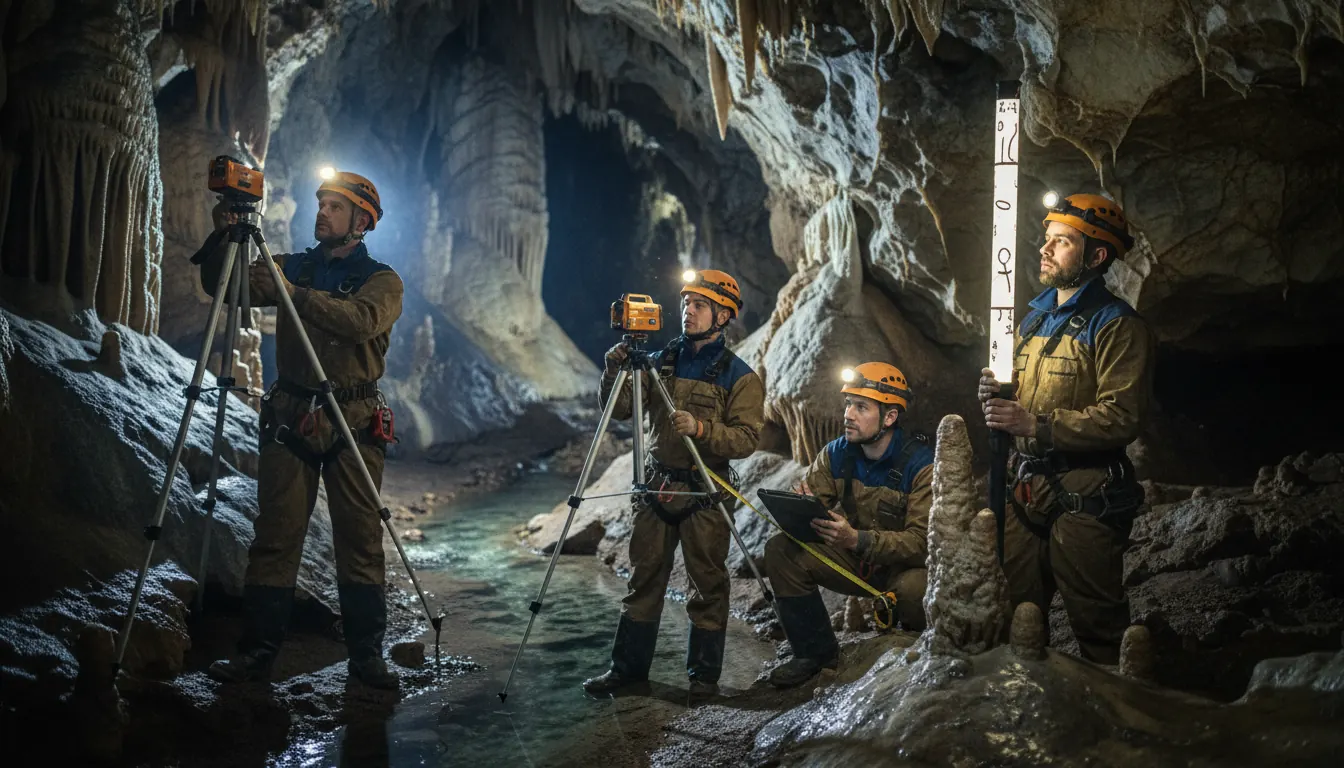
Training programs addressing specialist abilities beyond basic cave exploration are often held at Grottos. Belay procedures, ascending systems, and appropriate knot tying are rope techniques for vertical caves. Compasses, clinometers, and laser distance measurers are among the tools used in survey workshops. In order to preserve delicate formations from light degradation, photography programs assist participants in documenting caves.
Like scuba diving certification, some grottos provide an organized progression across ability levels. After completing theory lectures, participants participate in hands-on demonstrations in real cave environments.
FAQ
If I've never caverned before, how can I locate a local club?
To find organizations in your state or area, start with looking through the NSS grotto directory on nssio.org. Get in touch with the officers on the list and inquire about being a guest at a monthly meeting. The majority of grottos accept new members and offer instruction to beginners. Since new participants are mentored by more seasoned members, you don't need any equipment or prior knowledge to get started. The main prerequisite for joining the majority of caving clubs is demonstrating a sincere desire to learn appropriate cave exploring methods.
How are caving grottos different from other types of clubs?
Local chapters of the National Speleological Society dedicated to the study and preservation of caves are known as caving grottos. Grottos are specialized in the particular abilities needed for safe underground transit, in contrast to regular outside clubs. Members stay in touch with landowners and exchange information on certain cave systems in their area. Grottos follow NSS regulations that prioritize environmental preservation and safety. Local organizations are connected to a national network of resources and knowledge through the organizational structure.
Can I visit caves without joining a grotto?
While many of the more fascinating places need entry through organized groups, other caves on public property are open to solo visitors. In many areas, casual cave entrance is restricted by private property rights and conservation considerations. Grottos use group practices to reduce the significant safety concerns associated with solo exploration. Inadequate instruction might cause tourists to unintentionally destroy priceless formations. Caving is made safer and more enjoyable by joining a grotto, which offers legal access, safety supervision, and skill development.
What is the National Speleological Society membership fee?
A subscription to NSS News is included in the about $40 yearly cost of an NSS national membership. Additional local dues, usually between $20 and $50 annually, are assessed by individual grottos. These charges pay for insurance, administrative costs, and occasionally equipment upkeep. Typically, the entire yearly expense stays below $100. The biggest upfront cost is buying equipment, even though many grottos have libraries of shared equipment available to members.
How can one locate a local club for particular caving interests?
Look through the NSS directory's grotto descriptions to find clubs that highlight your specific hobbies, such photography, surveying, or vertical caving. Attend meetings for multiple grottos if several exist in your area. Ask about typical trip destinations and recent projects to gauge group focus. Certain cave types, such as limestone systems or lava tubes, are the focus of certain grottos. Locating grottos with a reputation for certain specialty is made easier by social media groups and online forums.
Are casino clubs similar to caving organizations in structure?
Organizationally, both kinds of clubs are similar in that they have regular meetings, elected leadership, and membership criteria. Similar to how grottos approach caving, casino clubs that prioritize responsible gambling frequently place an emphasis on skill development and social contact. However, the context and goal of their actions are very different. Both kinds of organizations are supported in certain places, enabling locals to locate a group that suits their interests. The concepts of shared learning and organized group activities are applicable to a variety of interest communities.
Wrap-up
Through the National Speleological Society, one may locate a nearby grotto and begin exploring underground with knowledgeable cavers. The network of caving grottos offers social contacts, equipment access, and instruction. There is probably a grotto nearby that suits your interests, whether you are looking for weekend getaways or scientific survey initiatives.
Attending a meeting and getting in touch with the grotto officials listed in the NSS database is the first step in the process. Regardless of skill level, most clubs welcome new members. Find grottos in your region and get in touch with them to begin your subterranean adventures.